How Casino Brochures Shape Bà Rịa–Vũng Tàu’s Public Image
Read casino brochures for how they frame Bà Rịa–Vũng Tàu, separating a venue’s own story from claims about local history, identity, and everyday life.
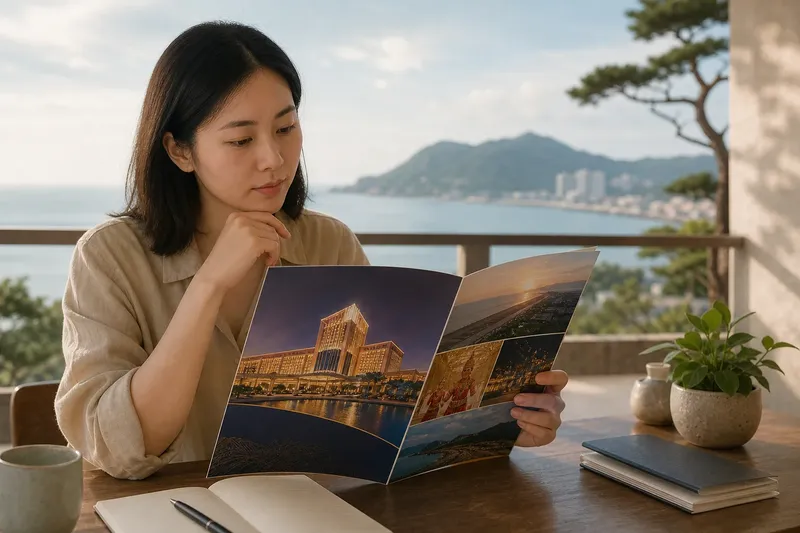
Casino brochures give Bà Rịa–Vũng Tàu a carefully edited role in a venue’s story. The names, captions, and cultural references they choose can reveal how a publisher wants readers to imagine the region, but they do not speak for everyone who lives there.
That distinction matters because a brochure is both an advertisement and a small act of storytelling. Its language can borrow the feel of local identity while keeping the publisher’s interests in the foreground.
Brochure language reveals who is telling the story
Words such as “gateway,” “heritage,” and “destination” do more than decorate a page. They cast the venue as a guide to a place or as part of a larger regional story, even when the brochure says little about who shaped that story.
Read those words as the publisher’s chosen voice. A brochure is like a shop window: it presents selected objects and leaves the rest of the room out of view.
Local identity is not the same as local testimony
A reference to a regional name, custom, or past event may lend a venue a sense of belonging. That reference does not, by itself, show that residents recognize the venue as representative of their community or share the brochure’s interpretation.
Check who is speaking and what the text actually attributes to them. If a brochure names a local organization or individual, keep that attribution precise; if it uses a broad phrase such as “the community,” do not turn that phrase into evidence of a shared view.
Read casino brochures for Bà Rịa–Vũng Tàu without overstating their claims
Does a regional name show local endorsement?
No. A place name can identify the setting a publisher wants associated with its venue, but endorsement requires a stated source or other direct support. Describe the name as part of the brochure’s framing unless the text specifies who supports the claim.
What does a heritage reference tell readers?
It tells readers that the publisher has chosen to connect the venue with a historical or cultural theme. Check whether the brochure names a source, event, or tradition before describing the reference more specifically.
Can promotional wording stand in for residents’ stories?
No. Promotional copy is written for the venue’s purposes, not as a substitute for residents speaking in their own words. Keep those sources distinct when describing the brochure’s account.
How should a vague community claim be described?
Quote or paraphrase the wording and point out what it leaves unclear, such as which people or organization it means. That keeps the claim visible without assigning it to residents the brochure does not identify.
Use a focused reading checklist to keep claims in bounds
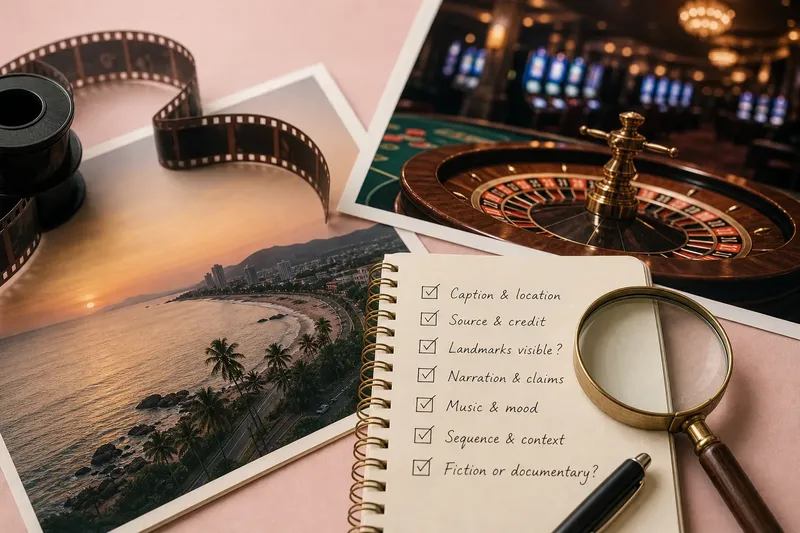
Inspect each feature and let the result determine how narrowly to describe it:
- Place name: If the brochure names only a broad region, describe a regional association; if it names a specific site, retain that site’s name instead of widening the claim.
- Named speaker: If a person or organization is identified, preserve that attribution; if no speaker is named, describe the statement as the publisher’s wording.
- Community wording: If the text identifies which community members it means, report that scope; if it does not, avoid presenting the phrase as a shared local view.
- Historical reference: If the brochure names an event or source, describe the reference as stated; if it supplies neither, do not add a historical interpretation.
- Service claim: If the brochure names a particular service, report it as a publisher claim; if it relies on broad terms such as “complete,” leave the unstated details open.
- Local quotation: If the brochure identifies the speaker and context, retain both; if either is missing, describe the quotation’s attribution as incomplete rather than filling the gap.
How can you describe a brochure’s local story?
What should you do with an unattributed claim?
State that the brochure makes the claim and name the missing attribution. Avoid recasting it as a statement from residents or a local institution.
How can you separate a venue’s story from regional history?
Identify the specific wording that links the venue to the past, then distinguish that promotional link from any historical fact the brochure actually documents. If no source is provided, say that the brochure offers the connection without establishing its basis.
How can you keep a description concise and fair?
Name the publisher’s claim, the source it identifies, and the information it leaves unspecified. Those details let readers see both the intended story and its limits.
Say you are reviewing an invented brochure that calls a venue “the region’s cultural gateway,” names no speaker, and refers to a local festival without giving its name or source. First, record the exact phrase; then mark the speaker and festival details as absent; finally, describe the result as the publisher’s broad cultural framing, not as a claim made by residents or proof of a documented connection. The decision rule is simple: report only the relationship and attribution the brochure actually supplies.
Read casino brochures for Bà Rịa–Vũng Tàu as accounts created by identifiable publishers, not as neutral portraits of local identity. A careful description preserves what the brochure says while leaving residents’ own stories open to be told in their own voices.