How Casino Stories Use Bà Rịa–Vũng Tàu Place Names
Learn how casino stories use Bà Rịa–Vũng Tàu place names, and distinguish a named location from a headline’s broader regional framing.
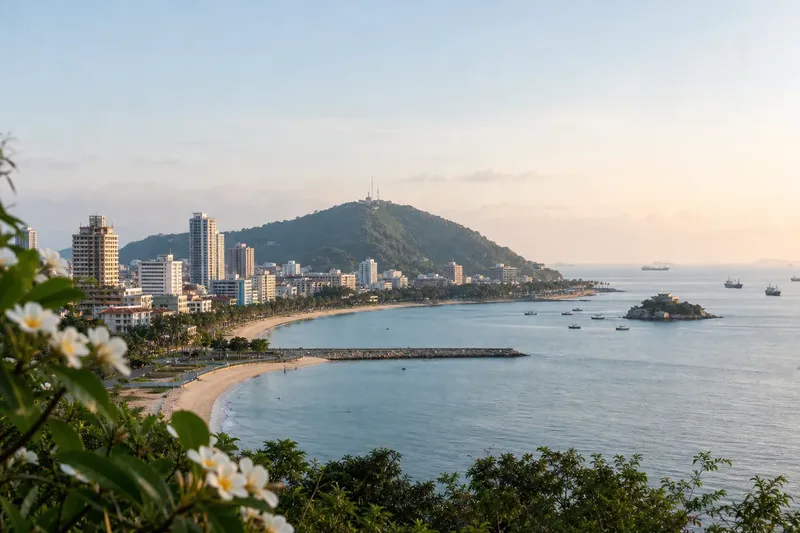
Bà Rịa–Vũng Tàu place names can change the scale of a casino story before a reader reaches its details. A headline naming the region frames the subject broadly; a named locality or venue makes a narrower claim, but only when the source provides that detail.
That framing is a matter of language, not proof about a casino’s surroundings or the lives of nearby residents. Read the name alongside the story’s date, source, and wording, especially when official names or boundaries may have changed.
Place names set the scale of a casino story
A regional name tells readers how a story is being situated, but it does not identify a specific venue. Think of it like a folder label: it groups material without telling you what is on every page inside.
In a headline, “Bà Rịa–Vũng Tàu” may serve as a broad frame for an event or discussion. If the article concerns one establishment, the regional label alone does not say which locality it is in, what happened there, or whether the account reaches beyond that case.
Notice the difference between what a place name identifies and what the story claims. “A casino-related event in Bà Rịa–Vũng Tàu” gives a broad setting; “a pattern across the region” makes a wider claim that needs broader support. The second statement should not be inferred from the first.
Names can frame a place without describing its residents
Place names carry associations in public language. A writer may use a regional name to make a story recognizable or to connect one event to a wider conversation. Those choices shape the reader’s frame, but they do not establish local attitudes, economic effects, or conditions near a particular establishment.
The same distinction matters when a story presents a casino as representative of a place. One venue, one account, or one incident cannot automatically stand for everyone associated with a regional name. Look for the people and places the article actually includes before accepting a broader description.
Read the verbs closely, too. “Occurred in” locates an event; “reflects,” “defines,” or “is typical of” asks readers to accept a larger interpretation. That interpretation needs evidence beyond the place name itself.
Check the story’s language before accepting its frame
- Check the location named. If the text gives only Bà Rịa–Vũng Tàu, treat the venue’s exact locality as unspecified; if it names a locality, retain that wording without adding a street or neighborhood the source does not provide.
- Check the scope of the claim. If the account concerns one event or establishment, read it as a single case; if it claims a regional pattern, look for support covering more than that case, or treat the pattern as unestablished.
- Check who is speaking. If the wording comes from a headline or promotional description, distinguish that framing from the article’s reporting; if the source is unclear, do not present the phrase as an independently confirmed fact.
- Check the date attached to the name. If the article is older, preserve its original wording and verify current official usage before applying it to a present-day description; if no date is available, mark the timing as uncertain.
- Check whether the text describes local people. If it offers no accounts or evidence about residents, do not infer their views from the setting; if it does include them, attribute those views to the people quoted or described rather than to everyone in the area.
- Check what remains private or unknown. If a source withholds a precise location, keep it broad rather than guessing; if exact location is essential to the claim, state that the available account does not establish it.
What do readers commonly ask about regional labels?
Does Bà Rịa–Vũng Tàu name a specific casino?
No. The regional name alone does not identify an establishment. Look for a venue name or a more precise location in the source before treating one as known.
Does a regional headline prove an event happened across the region?
No. A regional frame may refer to a single event or discussion. Read the article’s actual scope, and do not expand a one-case account into a regional pattern without supporting information.
How should I handle an older or inconsistent place name?
Keep the original wording when describing what an older source said, and check a current authoritative map or local-government description if present-day naming matters. If the source’s timing or intended place is unclear, say so rather than silently substituting a name.
Can a place name tell me what residents think about casinos?
No. A location label is not evidence of local opinion. Look for attributed comments or other relevant reporting, and avoid treating an individual view as the view of a whole community.
A worked reading keeps the claim within its evidence
Imagine a reader sees a post that says, “A casino dispute in Bà Rịa–Vũng Tàu reveals a regional problem,” but names no locality, venue, date, or source. The reader first records the post’s exact claim, then checks whether the linked account supplies those details. If it identifies only one dispute, the sound reading is that the post describes a regional frame around a single reported event—not a demonstrated pattern across the region. If the account supplies no further location or evidence, the venue and broader claim remain unconfirmed.
This approach does not require every report to publish a street address. It asks the wording to match what the source can support: a broad place name for a broad setting, a narrower name when documented, and a regional conclusion only when the account actually establishes one. Used that way, Bà Rịa–Vũng Tàu place names help readers understand how a casino story is framed without asking the label to speak for every place or person it contains.